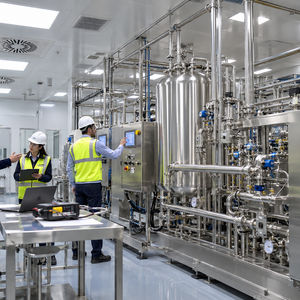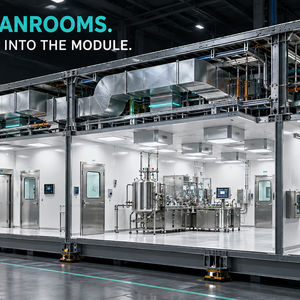


In modular pharmaceutical projects, installation is the stage where design, logistics, GMP requirements, utilities, cleanroom performance, and documentation come together on site. Since a major part of the facility is already engineered, manufactured, and tested off site, the site must be fully prepared before the modules arrive.
For pharmaceutical manufacturers, CDMOs, biotech companies, vaccine manufacturers, and API facilities, a modular approach can support faster project delivery and better control over construction quality. However, the final success depends on how smoothly the facility is received, positioned, connected, commissioned, and validated.
A clear site installation checklist helps reduce delays, avoid rework, maintain GMP design intent, and create a structured path from module placement to operational readiness.
Why Site Readiness Matters
A modular pharmaceutical facility cannot be treated like a standard construction package. By the time modules reach the project site, the civil base, utility connections, unloading area, crane access, safety clearances, and installation sequence should already be confirmed.
If the foundation level is incorrect, utility points do not match, or access for lifting is restricted, the installation timeline can be affected. For GMP facilities, these issues can also impact cleanroom performance, personnel flow, material flow, and commissioning readiness.
This is why Design & Engineering should define site interfaces, utility loads, module placement, HVAC requirements, and installation logic before off-site fabrication begins.
Civil and Structural Readiness
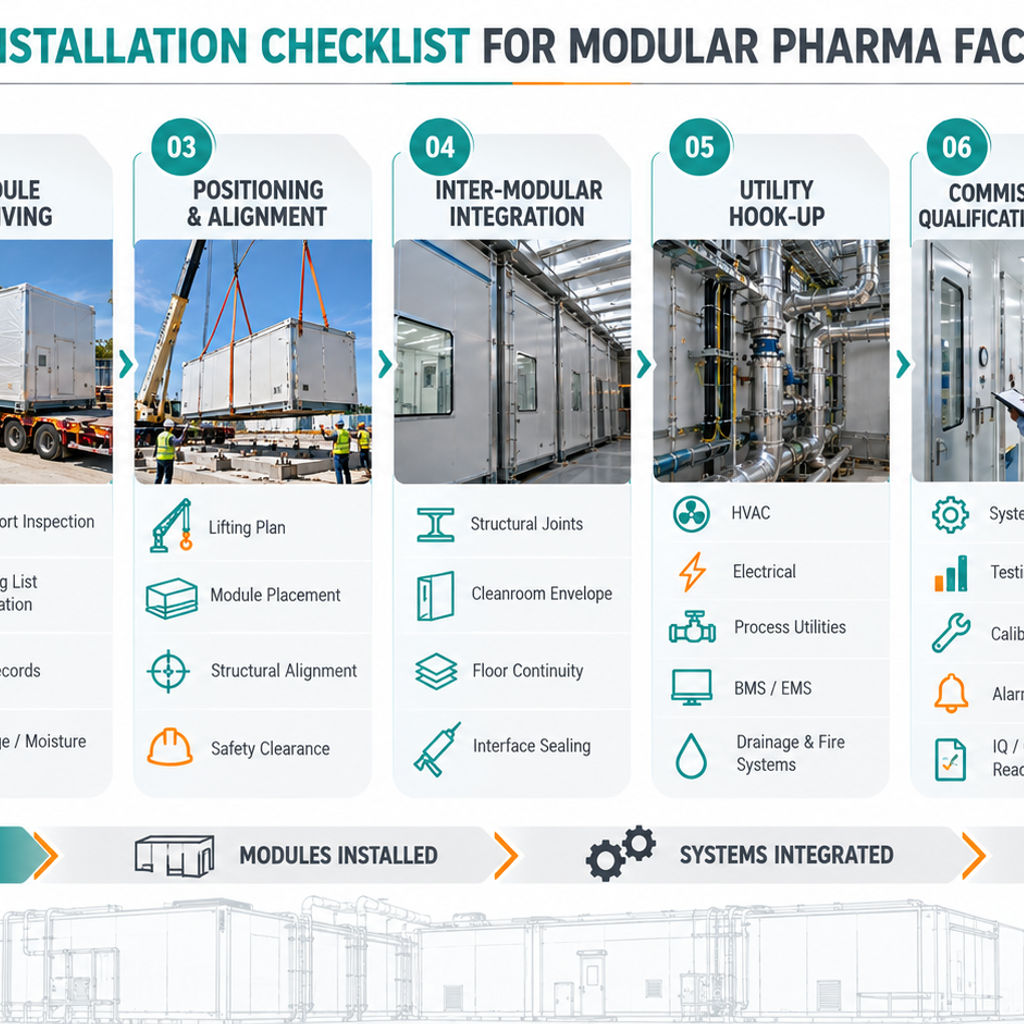
Before the modules arrive, the site team should verify that the civil and structural work is ready to receive the facility. This includes checking foundation levels, load-bearing capacity, anchor points, drainage, access roads, lifting radius, and temporary staging areas.
The module base must match the approved layout and structural design. Any mismatch at this stage may create alignment issues during placement or inter-modular connection.
Key checks include:
- Foundation readiness and level verification
- Structural support alignment
- Load-bearing confirmation
- Crane access and lifting radius
- Module unloading area
- Temporary staging area
- Drainage and waterlogging control
- Access for installation teams and equipment
- Site safety barricading
Module Receiving and Logistics
The receiving stage is critical because modular pharma facilities are transported as pre-engineered units. Each module must be protected from physical damage, moisture, dust, and contamination risk during transport, unloading, and positioning.
Before shipment reaches the site, the project team should confirm transport route clearance, crane availability, lifting permits, unloading sequence, and temporary storage requirements. After delivery, modules should be inspected against packing lists, drawings, and FAT records.
This connects directly with Off-site Modular Construction, where modules are built under controlled conditions before being transported to the final location.
Cleanroom and Layout Integrity
A modular facility must maintain the approved GMP layout after installation. Personnel flow, material flow, gowning sequence, airlock position, process movement, waste movement, and maintenance access should remain aligned with the original facility design.
For modular cleanrooms, sterile areas, biotech suites, or API facilities, this is especially important. Room positioning, door direction, pass box placement, cleanroom panel joints, wall and floor interfaces, and classified area segregation must be verified during installation.
Strong Pharmaceutical Facility Design and Cleanroom Engineering ensure that the facility is designed around the product, process, and GMP requirements from the beginning.
Utility Integration and Hook-up
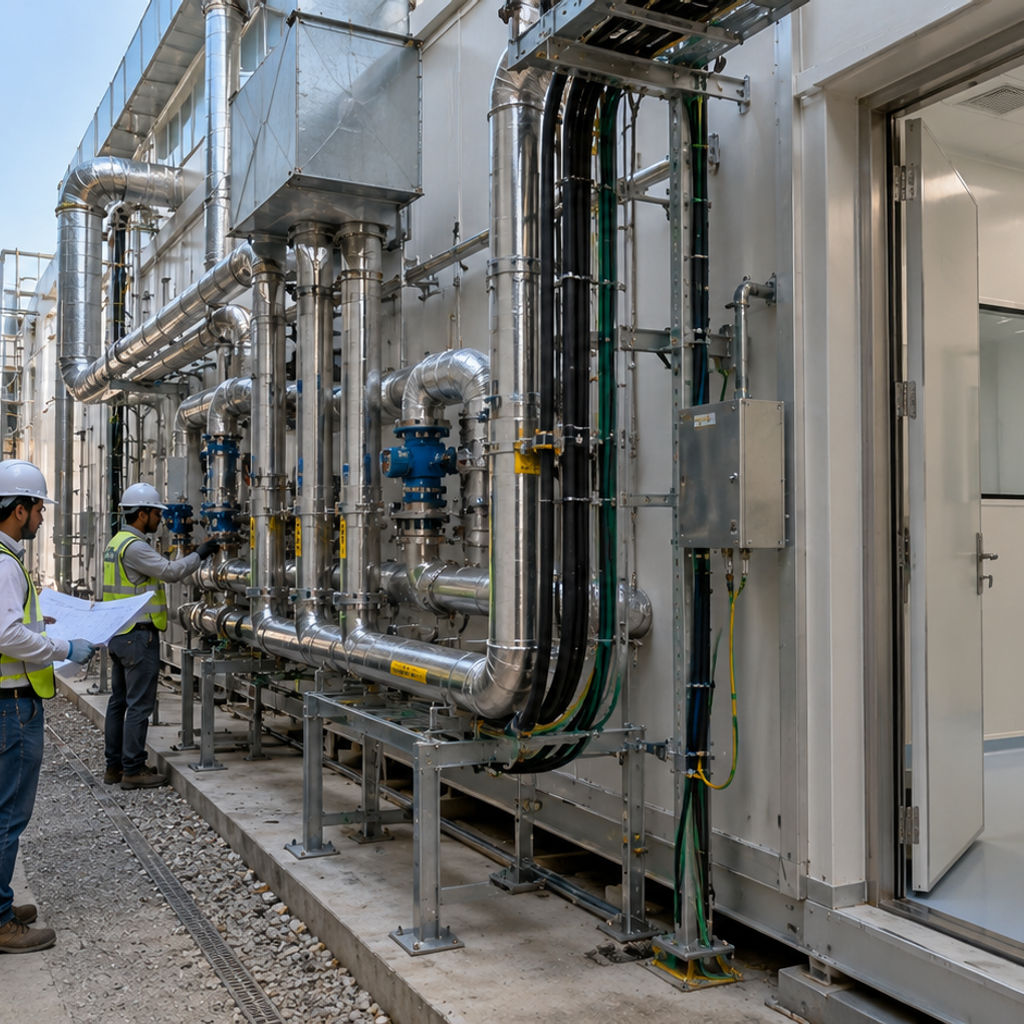
Utility integration is one of the most important parts of modular pharma facility installation. Modules may arrive with pre-installed HVAC, electrical systems, process piping, cleanroom panels, EMS, BMS, and other services. These systems still need to be connected correctly to site infrastructure.
The checklist should cover electrical connections, HVAC ducting, compressed air, chilled water, process utilities, drainage, instrumentation, control cabling, fire safety interfaces, earthing, leak testing, and pressure testing.
For a GMP manufacturing facility, utility performance directly affects product quality. HVAC, HEPA filtration, temperature, humidity, pressure cascades, and environmental monitoring must be verified before commissioning.
This is where Installation & Hook-up becomes a GMP-critical activity, not just a construction step.
Inter-Modular Connections
When multiple modules are joined together, the interfaces between them are as important as the modules themselves. Structural joints, cleanroom envelope sealing, flooring continuity, HVAC ducts, utility piping, electrical cabling, and monitoring systems must connect without compromising the facility design.
For modular cleanrooms, even small gaps or poorly finished joints can affect pressure control, cleanability, and contamination control. Inter-modular connection should therefore be planned, inspected, and documented carefully.
FAT and Site Verification
Factory Acceptance Testing helps verify equipment, systems, controls, and module integration before shipment. It allows many technical issues to be corrected in the factory environment instead of at the project site.
However, FAT does not replace site verification. After transportation and installation, the team must confirm that modules, utilities, instruments, controls, alarms, HVAC systems, and safety systems are still performing as intended.
FAT records, open points, inspection reports, and site verification documents should be available before commissioning begins.
Commissioning and Validation Readiness
Commissioning confirms that installed systems are connected, energized, tested, and ready for qualification. This includes HVAC start-up, utility checks, pressure balancing, filter installation, control system communication, alarm testing, and safety system verification.
After commissioning, the facility moves toward qualification and validation. IQ, OQ, and PQ documentation should be supported by approved drawings, calibration records, material certificates, FAT reports, commissioning records, change controls, and SOP readiness.
Any change made during installation should be reviewed through proper change control, especially if it affects room classification, pressure cascade, utility routing, monitoring systems, personnel flow, or material flow.
This makes Validation & Commissioning an essential part of the installation journey.
Documentation and Handover
Installation is not complete without proper documentation. Missing drawings, incomplete FAT closure, open punch points, or unresolved deviations can delay commissioning and validation.
The final handover package should include approved drawings, as-built drawings, installation records, utility test reports, FAT documents, commissioning reports, calibration certificates, material certificates, change control records, deviation closure, training records, and final handover documentation.
For pharmaceutical manufacturers, documentation supports GMP compliance, maintenance, inspection readiness, and future expansion.
Why Choose Modular Mobile Facility (MMF)?
Modular Mobile Facility supports pharmaceutical companies through an integrated delivery model covering Design & Engineering, Off-site Modular Construction, Manufacturing, Factory Acceptance Testing, Transportation, On-Site Installation, Installation & Hook-up, Validation Support, and Commissioning.
MMF’s approach is built around controlled off-site construction, GMP-focused engineering, faster project delivery, and structured on-site installation. By moving a significant part of facility construction and testing into a controlled workshop environment, MMF helps reduce site dependency and supports a smoother path from design to operational readiness.
For pharmaceutical manufacturers, biotech companies, CDMOs, vaccine facilities, and API producers, MMF provides turnkey modular solutions engineered for compliant and efficient pharmaceutical manufacturing.
Frequently Asked Questions
1. What is a site installation checklist for modular pharma facilities?
A site installation checklist for modular pharma facilities is a structured readiness document used before, during, and after module installation. It covers civil readiness, module receiving, lifting, placement, utility hook-up, cleanroom interfaces, HVAC integration, commissioning, documentation, and validation readiness. It helps pharmaceutical project teams reduce rework, maintain GMP design intent, and move smoothly from installation to qualification.
2. Why is site readiness important for a modular pharmaceutical facility?
Site readiness is critical because modular facilities arrive with many systems already fabricated and integrated. If foundations, utilities, access routes, lifting areas, or connection points are not ready, installation delays can occur. For GMP facilities, poor site readiness can also affect cleanroom performance, material flow, personnel flow, utility integration, and commissioning timelines.
3. What should be checked before modular pharma modules arrive on site?
Before modules arrive, teams should check foundation levels, structural supports, crane access, unloading areas, temporary storage, utility stub-outs, safety clearances, installation drawings, and site permits. The project team should also confirm module arrival sequence, lifting plans, manpower readiness, and documentation availability to ensure smooth installation.
4. How does FAT support modular pharma facility installation?
Factory Acceptance Testing helps verify equipment, systems, and module integration before shipment. It allows issues to be identified and corrected in the factory environment rather than at the project site. In modular pharma facilities, FAT can reduce site installation risk, shorten commissioning time, and provide documentation support for later qualification activities.
5. Do modular cleanrooms require validation after installation?
Yes. Modular cleanrooms still require qualification and validation after installation. Even if the cleanroom is pre-fabricated and tested off site, final verification must confirm that the installed facility meets approved design and GMP requirements. This may include IQ, OQ, PQ, airflow testing, pressure cascade verification, HEPA filter integrity testing, and environmental monitoring checks.
6. What utilities are important during modular pharma facility hook-up?
Important utilities include HVAC, electrical power, compressed air, process utilities, water systems where applicable, drainage, BMS, EMS, fire safety systems, instrumentation, and control wiring. These utilities must be correctly connected, tested, and documented before commissioning and qualification can proceed.
7. What is the difference between installation and commissioning in modular pharma projects?
Installation focuses on placing modules, connecting structures, completing utility hook-ups, and ensuring physical readiness. Commissioning confirms that systems are installed correctly and operate as intended. In pharmaceutical projects, commissioning prepares the facility for qualification and validation activities such as IQ, OQ, and PQ.
8. How can MMF help with modular pharma facility installation?
MMF supports modular pharma facility projects through design, engineering, off-site manufacturing, FAT, transportation, on-site installation, hook-up, commissioning, and validation support. This integrated approach helps pharmaceutical companies reduce site complexity, maintain GMP alignment, and achieve a more controlled path to operational readiness.